Deadliest Bus Accident Tragedies in U.S. History That Changed Safety Laws Forever
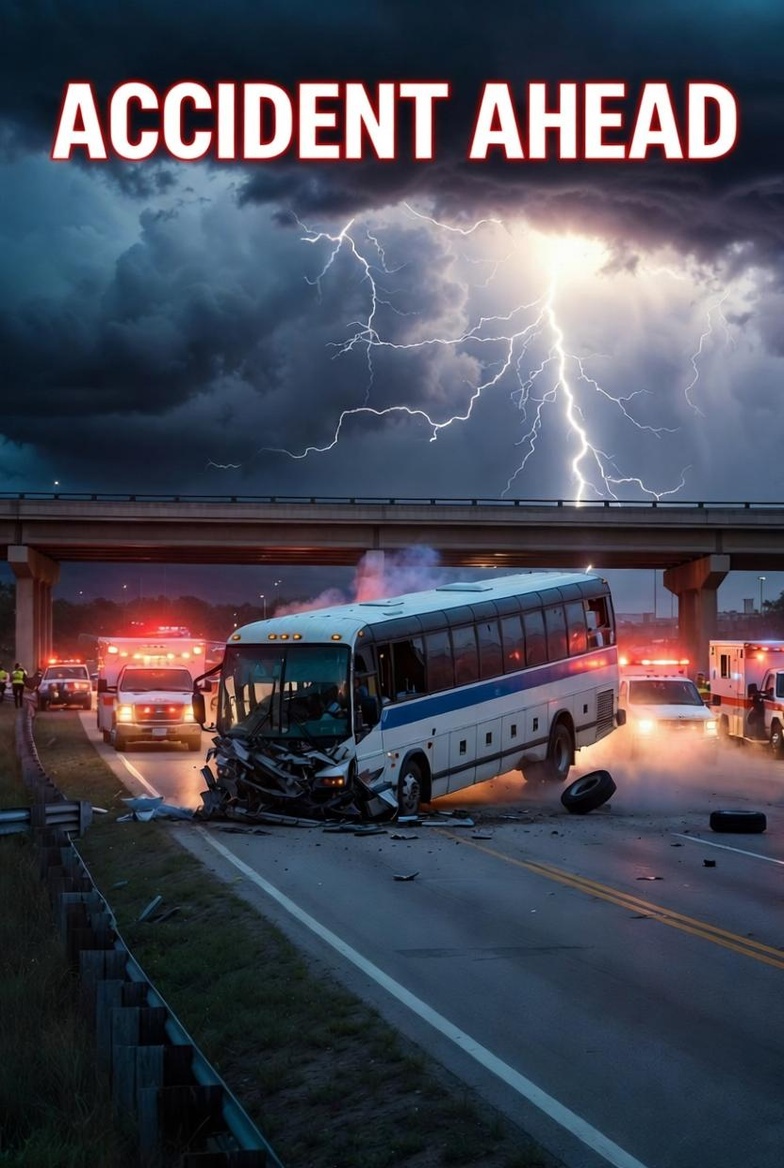
Whenever a bus accident claims multiple lives, the shockwaves extend far beyond the immediate victims. Families are torn apart, communities grieve collectively, and the nation is forced to confront hard questions about safety, responsibility, and prevention. Whether caused by human error, mechanical failure, or environmental factors, these tragic events often lead to long-lasting emotional scars and, in some cases, meaningful reforms.
This article examines some of the most catastrophic bus accident cases in U.S. history, highlighting what happened, why it happened, and how each tragedy reshaped safety awareness across the country.
#5 The Mother’s Day Charter Bus Accident (1999)
On Mother’s Day in May 1999, dozens of passengers boarded a charter bus traveling from Louisiana to a Mississippi casino. What was meant to be a weekend of celebration turned into one of the most devastating bus accident incidents of the decade.
As the bus traveled along the highway, it suddenly crossed multiple lanes before crashing through a guardrail and plunging off the roadway. The violent impact resulted in the loss of many lives and left survivors with permanent trauma.
What Went Wrong
Investigators later revealed that the driver was under the influence of drugs and medication and had serious underlying medical conditions. Alarmingly, he had recently been discharged from a hospital and should not have been operating a commercial vehicle. Further investigation uncovered a troubling employment history involving substance abuse while driving.
Lasting Consequences
Despite strong criticism from transportation safety agencies, accountability was limited. Lawsuits followed, but few systemic changes were implemented. The tragedy highlighted critical gaps in driver health screening and employer responsibility—issues still debated today in discussions about preventing future bus accident disasters.
#4 The Carrollton Church Bus Fire (1988)
Late one night in Kentucky, a church bus carrying children home from an amusement park was struck head-on by a vehicle traveling in the wrong direction. What followed became one of the deadliest bus accident fires in U.S. history.
Although the initial collision did not cause fatal injuries, a ruptured fuel tank ignited a rapid fire. Within moments, flames engulfed the bus, trapping passengers inside.
The Role of Drunk Driving
The driver of the other vehicle was heavily intoxicated, with a blood alcohol level far exceeding legal limits. He survived the crash but was later convicted on multiple manslaughter charges. Many families felt justice fell short compared to the magnitude of their loss.
Safety Reforms
This bus accident led to nationwide changes in bus design, including improved fire-resistant materials, additional emergency exits, and stricter drunk-driving enforcement. Advocacy groups used this tragedy to push for legislative reforms that continue to save lives.
#3 The Prestonsburg School Bus Disaster (1958)
In the late 1950s, a school bus carrying dozens of children collided with a slowing vehicle and plunged into a rain-swollen river in Kentucky. The swift current quickly submerged the bus, turning rescue efforts into a heartbreaking recovery mission.
A Tragic Chain of Events
Unlike many other bus accident cases, this incident was not caused by recklessness or mechanical failure. It was a tragic convergence of road conditions, timing, and geography.
A Legacy of Change
Out of this tragedy came the creation of organized rescue squads across Kentucky. Emergency response infrastructure improved dramatically, ensuring faster and more coordinated action during future disasters. The lives lost in this bus accident ultimately helped protect countless others.
#2 The Yuba City Choir Bus Crash (1976)
A school choir traveling to a performance encountered mechanical trouble while crossing a major bridge in California. As the driver attempted to exit the highway, the braking system failed. The bus overturned, killing nearly everyone onboard.
Mechanical Failure and Human Error
Investigators later determined that brake system malfunctions combined with insufficient driver training contributed to the bus accident. The impact was so severe that many victims suffered fatal internal injuries instantly.
Community Impact
The aftermath revealed how poorly institutions once handled mass trauma. Schools remained open, and students were discouraged from discussing the tragedy. Today, crisis counseling and school closures are standard responses—lessons learned directly from this devastating event.
#1 The Chualar Farmworker Bus Accident (1963)
The deadliest bus accident in U.S. history occurred when a makeshift bus transporting farmworkers was struck by a train at a rural crossing in California. More than 30 people lost their lives instantly.
A Preventable Tragedy
The crossing lacked warning signals, but investigators concluded that the driver failed to properly assess the oncoming train. The collision scattered debris and victims along the tracks, creating a scene of unimaginable devastation.
National Policy Changes
This tragedy prompted sweeping reforms. Railroad crossing safety standards were strengthened, and labor policies affecting migrant workers were reexamined. The incident also contributed to the eventual termination of a federal labor program, reshaping agricultural employment practices nationwide.
Conclusion: Lessons Written in Tragedy
Every bus accident discussed in this article represents more than a statistic—it reflects lives lost, families shattered, and communities forever changed. While no reform can undo the pain, these tragedies have driven improvements in vehicle safety, emergency response, and public policy.
By remembering these events and continuing to prioritize transportation safety, society honors the victims not just with words, but with action—ensuring that future generations are better protected on the road.